
HomeMonitorEnergy & Meter Monitoring

Products · Monitor

Energy & Meter Monitoring — read every meter without walking to it.

Water, gas and electricity meters brought online three ways: wired M-Bus and S0 units for powered plant rooms, battery LoRaWAN readers for meters spread across a site, and cellular NB-IoT devices that need no gateway at all. Consumption data lands on a dashboard instead of a clipboard — configured in Galway before dispatch.

Book a Consultation  Request a Quote

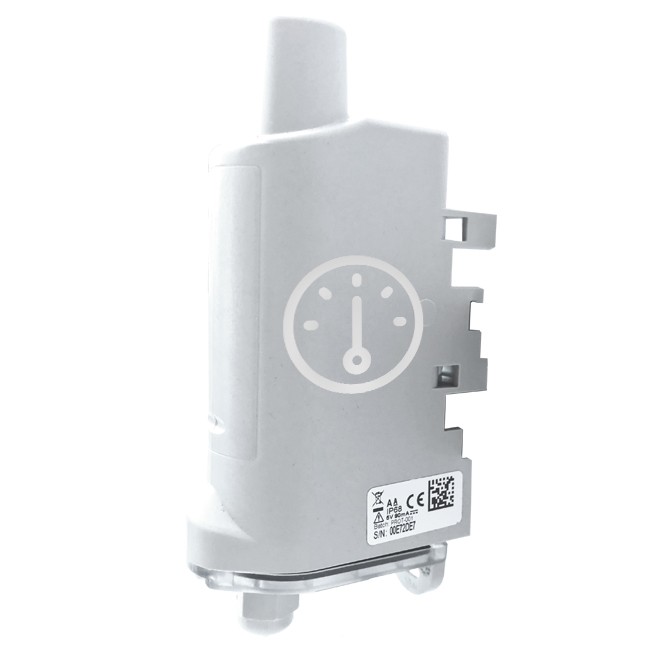
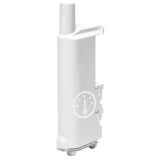
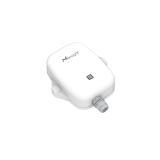
Clip-on LoRaWAN current transformer for wireless energy and meter monitoring in Ireland

Keep Your Meters
Retrofit readers on the meters already installed

Three Architectures
Wired M-Bus/S0, LoRaWAN battery or cellular NB-IoT

Years on Battery
Wireless readers run 5–15 years without a visit

Staged in Galway
Configured, paired and reporting before dispatch

The Essentials

What Is Energy & Meter Monitoring?

Energy and meter monitoring — the trade calls it automatic meter reading (AMR) or sub-metering — uses connected devices to read water, gas and electricity meters remotely and continuously, instead of someone reading them monthly with a clipboard. Most meters already produce a pulse, M-Bus or Modbus output; a reader attaches to that output and transmits every reading to a dashboard, so consumption, waste, leaks and billing splits become visible day by day. TITAN IoT supplies wired, LoRaWAN and cellular meter readers in Ireland, configured before they ship.

Three Routes

Wired, LoRaWAN or Cellular — Which Suits Your Meters?

Two questions decide it: where are the meters, and is there power beside them? Plenty of Irish estates end up using a mix of all three.

Wired — M-Bus & S0

HW Group Perseus Energy units read M-Bus meters and S0 pulse outputs over LAN or LTE, feeding the SensDesk platform — graphs, alerts, scheduled PDF reports and an API. Mains powered, nothing to ever recharge.

Choose when: meters are concentrated in a plant room or riser with power and a network nearby. Skip when: meters are scattered across a site — running cable costs more than the monitoring.

Wireless — LoRaWAN Battery

Battery readers clip onto pulse outputs or circuits and transmit through walls to one gateway per site — no wiring, batteries lasting years. The Milesight EM300-DI turns any pulse-output meter into a smart meter; the CT101 clips onto a circuit for electricity.

Choose when: many meters across a campus, estate or building — one gateway covers hundreds. Skip when: you have one meter in one remote spot — a gateway for a single point rarely pays.

Cellular — NB-IoT, No Gateway

Battery readers with a SIM inside transmit straight over the mobile network — no gateway, no site infrastructure at all. Fit the Adeunis PULSE to a meter and it reports for years, anywhere there’s coverage.

Choose when: single or scattered meters — pump houses, remote sites, one meter per premises — and the fastest possible deployment. Skip when: you have dozens on one campus; per-point LoRaWAN works out leaner at scale.

The Range

The Meter Readers We Deploy

Six cover most Irish metering projects — the full range, including the LPWAN sensor hub for Modbus and analog meters and the Ares 12 LTE for sites with no network at all, is in the grid below.

Wireless — LoRaWAN & NB-IoT
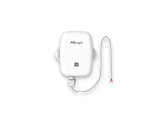
Milesight EM300-DI LoRaWAN pulse counter for water and gas meter reading Ireland

EM300-DI — Pulse Counter

Turns any pulse-output water, gas or electricity meter into a smart meter — IP67, up to 10 years on battery, interference filtering and stored history so no reading is lost. The metering retrofit workhorse.

View the EM300-DI

Milesight CT101 LoRaWAN smart current transformer for electricity monitoring Ireland

CT101 — Electricity, Clip-On

A current transformer that clips around a live cable and reports consumption wirelessly — sub-meter distribution boards, plant and individual machines without rewiring the panel. The energy-audit enabler.

View the CT101

Adeunis PULSE cellular NB-IoT pulse counter connected to a water meter

Adeunis PULSE — No Gateway

Two pulse inputs, a battery lasting up to 15 years and NB-IoT/LTE-M cellular inside — fit it to a meter and it reports over the mobile network with zero site infrastructure. A LoRaWAN version covers gateway-based estates.

View the PULSE

Wired — HW Group Perseus Energy

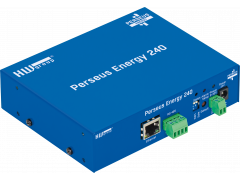
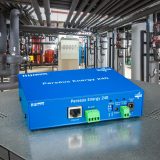
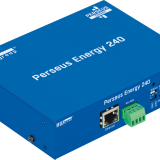
HW Group Perseus Energy 240 LAN energy monitoring unit

Perseus Energy 240

The entry point — a compact LAN unit that brings meter pulses and third-party sensors onto the SensDesk platform. The simplest way to put a plant room’s meters on a dashboard.

Available to order — contact us

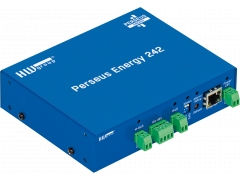
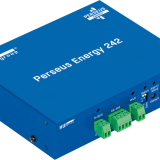
HW Group Perseus Energy 242 M-Bus Master energy monitoring unit in metal case

Perseus Energy 242

The M-Bus Master in a metal case — reads M-Bus energy meters over LAN for remote monitoring and control. The building sub-metering workhorse for risers and plant rooms.

Available to order — contact us

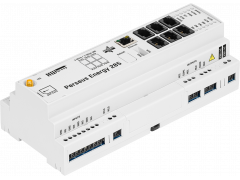
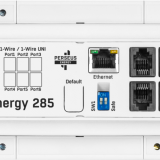
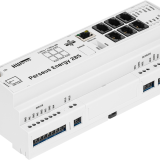
HW Group Perseus Energy 285 DIN rail LAN and LTE M-Bus energy monitoring unit

Perseus Energy 285

DIN-rail M-Bus Master with LAN and LTE — the same metering platform for panels and sites where mobile connectivity does the backhaul. Clips beside the meters it reads.

Available to order — contact us

Irish Applications

What Irish Sites Meter

Tenant & Sub-Metering

Landlords and facilities teams split one utility bill fairly across tenants and departments — every sub-meter read daily, billing arguments replaced by data.

EM300-DI · Perseus Energy 242

Public & Local Authority Buildings

Carbon and energy reporting obligations need a measured baseline — metered water and energy per building, gathered automatically across an estate.

CT101 · EM300-DI · Perseus Energy

Water Schemes & Leak Hunting

Continuous flow data shows night-time usage that shouldn’t be there — leaks found by pattern, not by the bill two months later. Consumption alarms come built in.

EM300-DI · Adeunis PULSE

Manufacturing Energy Audits

Clip-on CTs per line or machine show where the kilowatt-hours actually go — the measured evidence energy audits and ISO 50001 programmes are built on.

CT101 · Perseus Energy 285

Gas Metering & ATEX Areas

Gas meters often sit in classified zones — ATEX-certified pulse readers from our range read them safely where standard devices can’t legally be installed.

ATEX pulse readers — ask us

Multi-Site Estates

Retail chains, franchises and utilities with one meter per premises — NB-IoT readers report from every site with no gateway and no installer callbacks.

Adeunis PULSE · TITAN IoT SIMs

Migration Path

Replacing 3G or Sigfox Devices? There’s a Drop-In Route.

Irish 3G networks are being switched off, and the Sigfox network’s future has pushed many metering fleets to look for a successor. The meters themselves are fine — it’s only the transmitter on top that needs to change.

The same pulse output your old devices read feeds today’s LoRaWAN and NB-IoT readers, so migration is a device swap, not a meter replacement — and we’ve already carried out exactly this changeover for Irish customers. Tell us what’s deployed and we’ll map the like-for-like replacement.

Plan Your Migration

The Swap, In Three Steps

1. Audit — what’s deployed, what outputs the meters have

2. Match — like-for-like LoRaWAN or NB-IoT reader per point

3. Swap — pre-configured devices, fitted in minutes each, data flowing to the same place

Complete the System

Readings Need a Network and a Home

LoRaWAN readers report through a LoRaWAN gateway — one per site covers hundreds of meters, pre-paired before dispatch. Cellular readers just need a TITAN IoT SIM, supplied and managed by us. Wired Perseus units connect to your LAN or their own LTE.

The readings land where you want them: HW Group’s SensDesk portal with graphs, alerts and scheduled reports; the IoT Factory platform built for smart metering; or your own system by API. Full solution, device only, or just the data — no lock-in on any path.

Plan Your Metering

Wireless meter reader reporting to gateway and energy dashboard

Reader › network › dashboard — consumption visible day by day

FAQ

Energy & Meter Monitoring Questions, Answered

What is automatic meter reading (AMR)?

Automatic meter reading uses a connected device attached to a water, gas or electricity meter to read it remotely and continuously, replacing manual monthly readings. The meter stays in place — a reader connects to its pulse, M-Bus or Modbus output and transmits every reading to a dashboard, making consumption, leaks and billing splits visible day by day.

Can I read the meters I already have?

Almost certainly. Most utility meters installed in the last twenty years produce a pulse output — a reed switch, S0 or open-collector signal — or speak M-Bus or Modbus. A retrofit reader attaches to that output and the meter becomes smart without being replaced. If you’re unsure what output a meter has, send us its model number and we’ll confirm the right reader.

Wired, LoRaWAN or NB-IoT — which reader do I need?

It comes down to where the meters are. Concentrated in a powered plant room or riser: a wired M-Bus/S0 unit is simplest and never needs a battery. Spread across one campus or building: battery LoRaWAN readers reporting to a single gateway. Scattered across many sites with one or two meters each: cellular NB-IoT readers that need no gateway at all. Mixed estates routinely use all three feeding one platform.

Do wireless meter readers need a gateway?

LoRaWAN readers do — one gateway per site typically covers hundreds of meters through walls and floors, and we pre-pair everything before dispatch. NB-IoT readers don’t: they have cellular built in and transmit directly over the mobile network with a TITAN IoT SIM, which is why they suit single or scattered meters where installing a gateway wouldn’t pay.

Can I replace my old 3G or Sigfox meter readers?

Yes, and usually without touching the meters. Legacy readers connect to the same pulse output that modern LoRaWAN and NB-IoT devices use, so migration is a like-for-like device swap — each point takes minutes, and the data carries on flowing to your platform. With Irish 3G switch-offs underway and the Sigfox network’s future uncertain, we’ve already run this changeover for Irish customers.

Can gas meters in ATEX zones be monitored?

Yes — but only with equipment certified for the zone. Gas meters commonly sit in ATEX-classified areas where standard electronics can’t legally be installed, and our range includes ATEX-certified pulse readers built exactly for this. Tell us the zone classification and meter type and we’ll specify a compliant reader.

Tell Us What Needs Metering

The meters, the sites and where the data should land — we’ll spec the right mix of wired, LoRaWAN and cellular readers, configured and reporting before dispatch.

Book a Consultation

TITAN IoT Ltd · Racecourse Business Park, Ballybrit, Galway, H91 A9NN
+353 91 757500 · iot@titan.ie

Serving Ireland, the UK and Europe via the Vadnet IoT distributor alliance

The Catalogue

Browse the Full Metering Range

Every meter reader and monitoring unit we stock for energy and metering is below — click through for full specifications, and use REQUEST A QUOTE on any product for Irish pricing and availability.

Filter

Filter

Search
Categories
Cellular
Interfaces
Technologies
Applications
Brands