What Is Tank Level Monitoring?
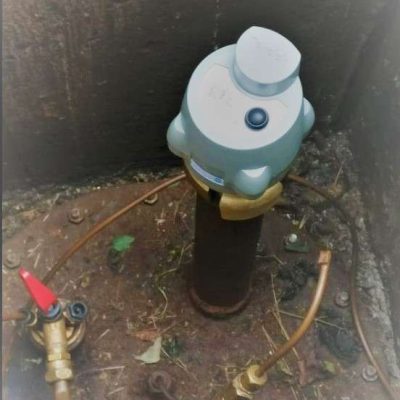
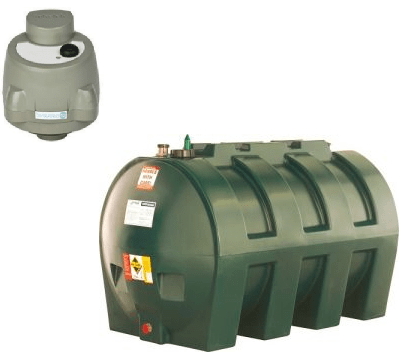
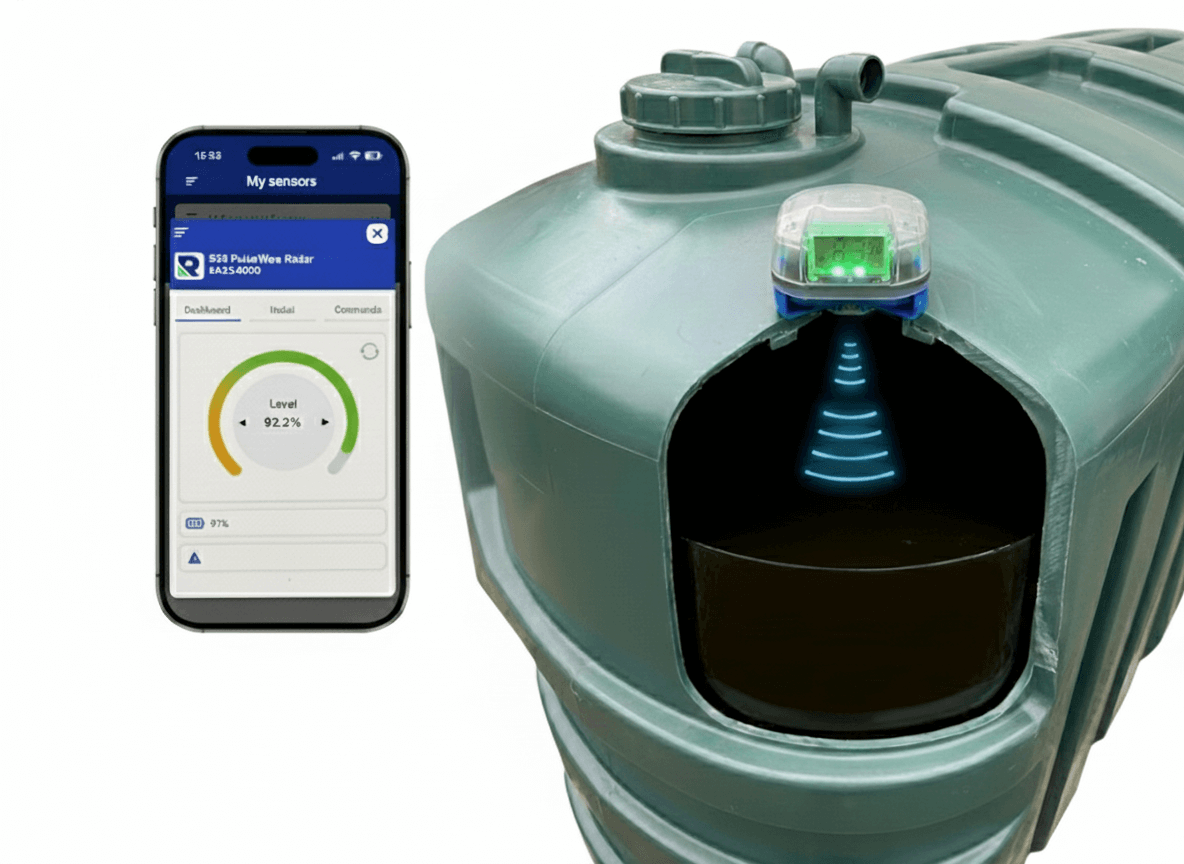
Tank level monitoring — TLM for short — uses a sensor to continuously measure the contents of a storage tank — fuel, LPG, water, chemicals or food-grade liquids — and report that level remotely, replacing manual dips and site visits. The sensor mounts on the tank, runs for years on its own battery, and transmits readings over cellular or LoRaWAN to a dashboard that tracks stock, forecasts run-out dates and raises low-level alarms. TITAN IoT supplies the Rochester Sensors range in Ireland, pre-configured in Galway and connected to the monitoring platform of your choice.
Ultrasonic, Radar or Pressure?
The tank contents and conditions decide the technology, not the other way round. These are the four measurement types in the range — and we’ll spec the right one for your tank as part of every quote.
One thing worth knowing first: plenty of radar and ultrasonic level sensors exist, but a tank is a different environment — condensation, vapour, curved walls, tight geometry and often an explosive atmosphere. A general-purpose sensor pointed into that will read until it doesn’t. These sensors are designed and validated specifically for tank measurement, with more than twenty years of tank telemetry behind them.
The Sensors We Ship Most
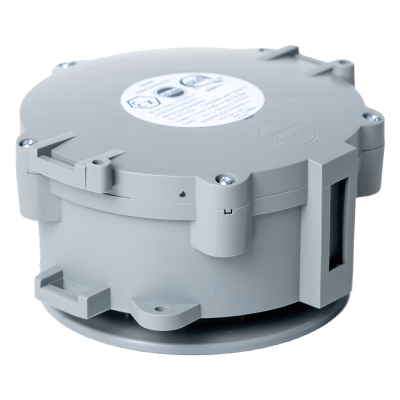
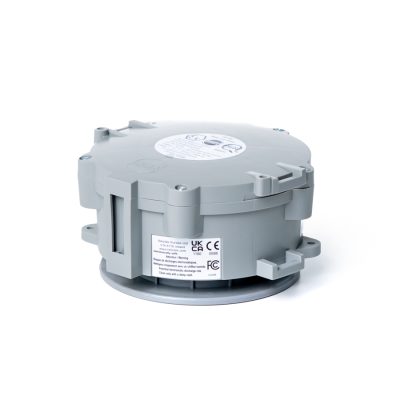
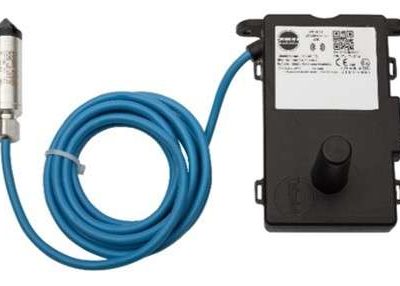
Four sensors cover most Irish tank projects — all from the Rochester Sensors range, which TITAN distributes in Ireland. The full range — including the ATEX ultrasonic TEK 871, the TEK 898 pressure sensor and the TEK 790 LPG sensor — is in the product grid below.


Also in the range below: TEK 871 ATEX Ultrasonic · TEK 898 ATEX Pressure · TEK 790 ATEX LPG
What Irish Customers Monitor
The same sensor family covers every tank type — these are the applications we deploy most.
For Fuel Distributors & Tank Fleets

Full Solution, Device Only, or Just the API
Three ways to buy, no lock-in on any of them. Whichever you choose, everything ships from Galway staged and labelled per site — mount it and it’s already reporting.
Tank Monitoring Questions, Answered
Which sensor type do I need — ultrasonic, radar or pressure?
Ultrasonic is the best-value choice for most oil, water and general liquid tanks. Radar costs more but is unaffected by condensation, vapour and foam — the right call for chemicals, harsh fuels, and any tank where ultrasonic readings would drop out. Pressure sensors sit in the liquid and suit tall vessels and boreholes. For LPG tanks with a mechanical Rochester dial already fitted, a cellular logger reads the existing gauge. We spec the right technology for your tank as part of every quote.
Do the sensors need mains power or Wi-Fi?
No. Every sensor in the range runs on its own lithium battery — typically five years or more, up to ten on radar and LoRa variants — and transmits over NB-IoT or CAT-M1 cellular directly, or over LoRa to a gateway. No wiring, no Wi-Fi, no infrastructure at the tank. That’s what makes remote farms, depots and outdoor storage practical to monitor.
Can I monitor a rainwater harvesting tank?
Yes — a radar or ultrasonic sensor over the tank reports the live level to a phone or web dashboard, with alerts at high and low thresholds you set. Radar is usually the better choice on rainwater harvesters because condensation inside the tank doesn’t affect it. One sensor, a long-life SIM and a platform login is a complete single-tank system, and it scales site by site from there.
Are the sensors safe on fuel, oil and LPG tanks?
Yes — the flagship sensors are intrinsically safe and certified for hazardous areas. The TEK 880 radar is ATEX Zone 0 (Class 1 Division 1) rated, as is the TEK 822 LPG logger; the TEK 871 ultrasonic and TEK 898 pressure sensor carry ATEX certification, and the TEK 790 is certified for LPG service. We’ll advise the certification level your site requires.
Where do the readings go?
To the platform of your choice. Most Irish customers use the IoT Factory platform — live dashboards, automatic alerts and scheduled reports, viewable anywhere — but the hardware is platform-agnostic: Rochester’s Delta cloud and third-party telemetry platforms are equally supported. TITAN sets up the platform side before your sensors ship.
Do I need to drill the tank to fit a sensor?
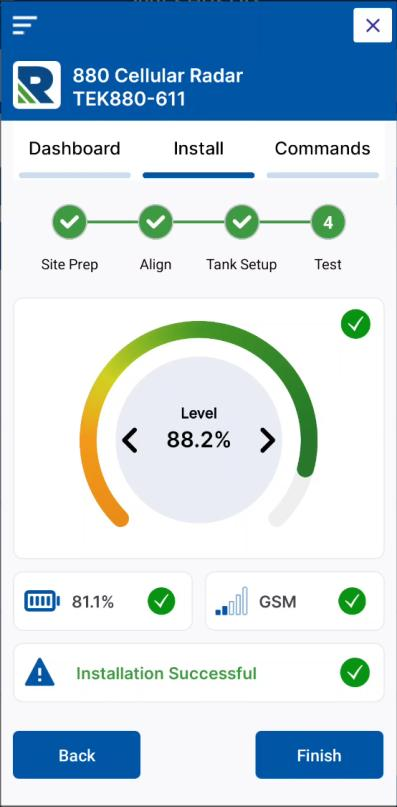
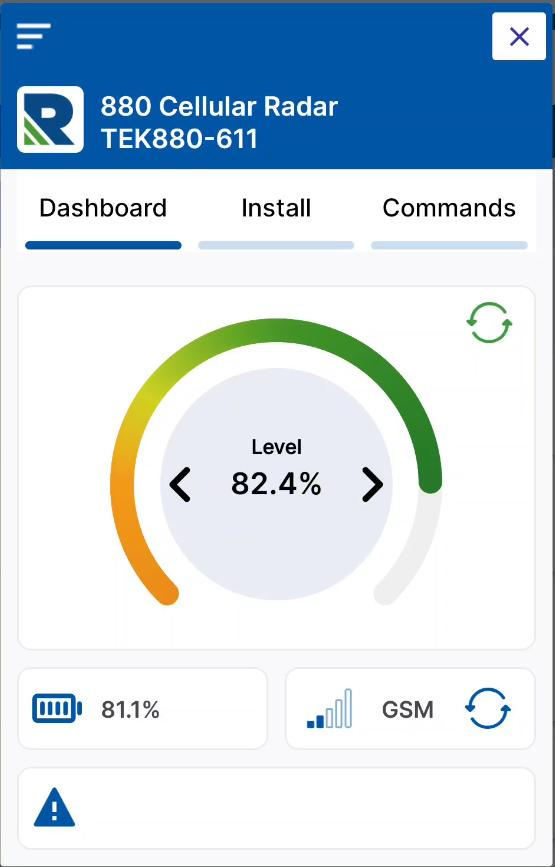
Not necessarily. The TEK 880 radar can be fitted non-invasively on standard plastic tanks — it measures through the tank wall, so nothing is drilled and nothing enters the tank, and installation takes minutes. Rochester’s installer app guides the whole fit — alignment, tank setup and an automatic self-test that confirms the install is working before you leave. Ultrasonic sensors and metal tanks use a threaded fitting in an existing or new opening. We’ll confirm the right fit for your tank type when we spec the sensor.
Can a fuel distributor monitor all of its customer tanks?
Yes — that’s what Automatic Tank Gauging (ATG) is. A sensor on each customer tank reports into one platform showing real-time volume per tank, volumes added and removed, a map of the whole estate and alerts as tanks trend toward empty — so deliveries are scheduled by actual level, delivery volumes are verified, and unexplained draw-downs are flagged. Fleets typically start with a proof-of-concept batch of sensors and scale customer by customer.
Are these the same as the old Tekelek sensors?
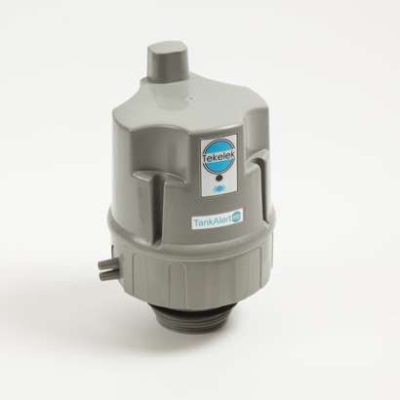
Yes — the TEK product range was originally a Tekelek line and is now part of Rochester Sensors following acquisition, with European manufacturing and support in Shannon, Ireland. Older datasheets and packaging may still show Tekelek branding: same products, supported under the Rochester Sensors name through TITAN.
Tell Us What’s in the Tank
Contents, tank size and site — we’ll spec the sensor, the connectivity and the platform, and quote it staged and ready to fit.
TITAN IoT Ltd · Racecourse Business Park, Ballybrit, Galway, H91 A9NN
+353 91 757500 · iot@titan.ie
Serving Ireland, the UK and Europe via the Vadnet IoT distributor alliance