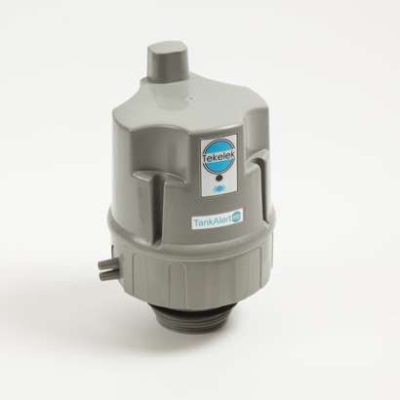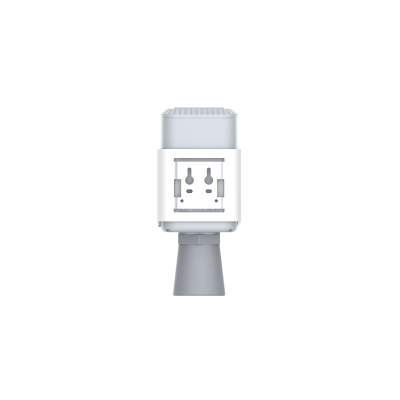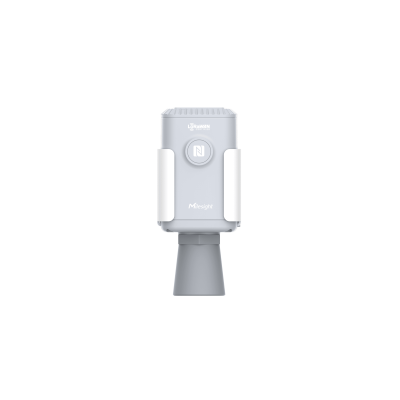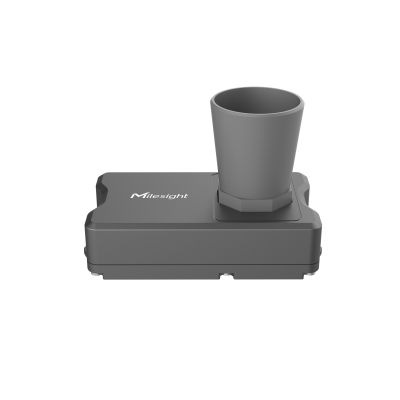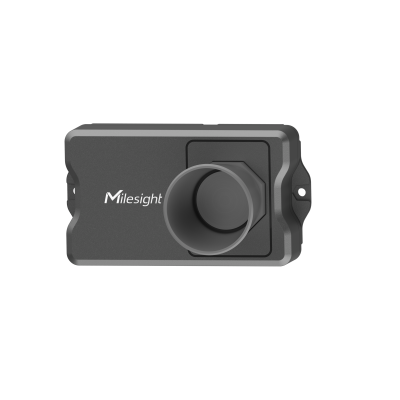


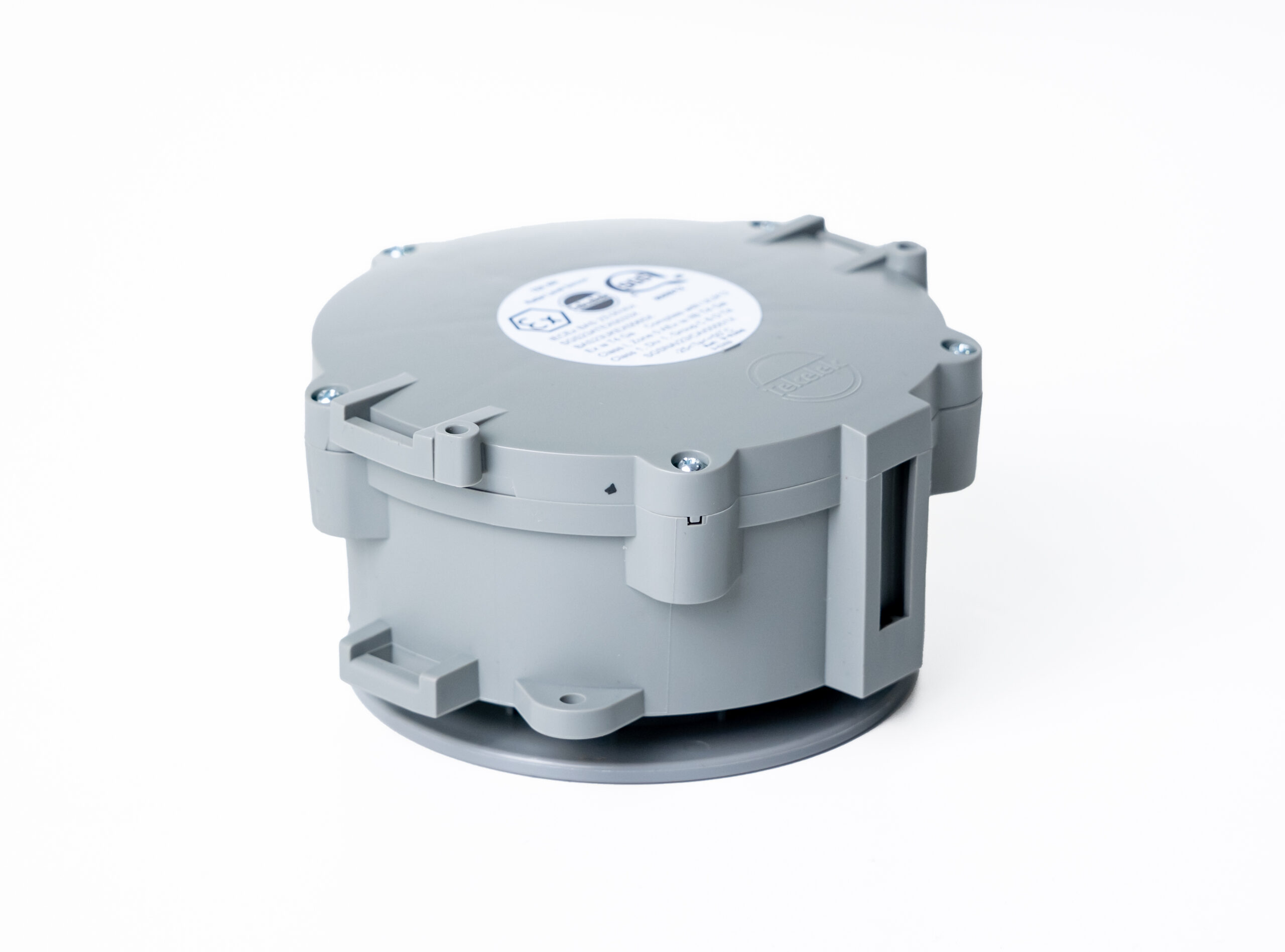
The Rochester Sensors TEK880 is a battery-powered radar level sensor with a built-in Cat-M1 and NB-IoT modem, for oil, diesel, water, AdBlue and chemical tanks that nobody wants to drive out and check. It suits fuel distributors, water schemes, farms and plant operators who need a level reading on a screen and an alert before a tank runs dry.
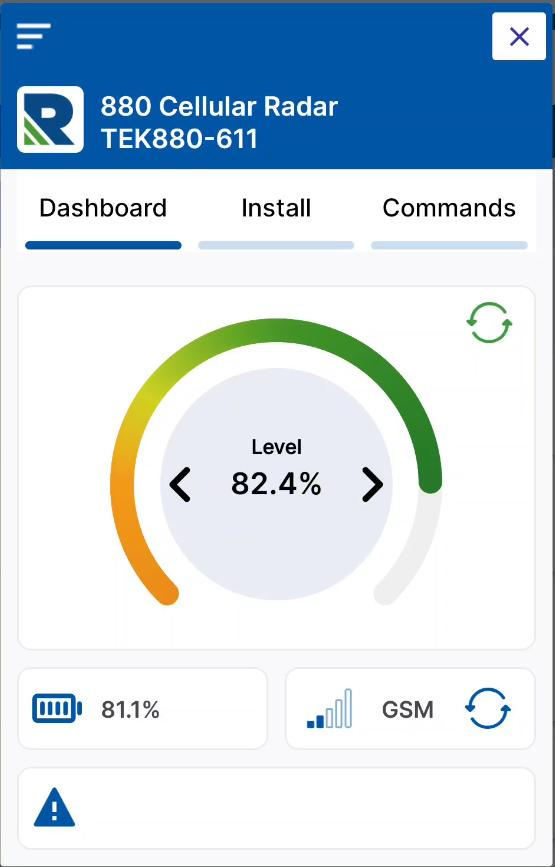
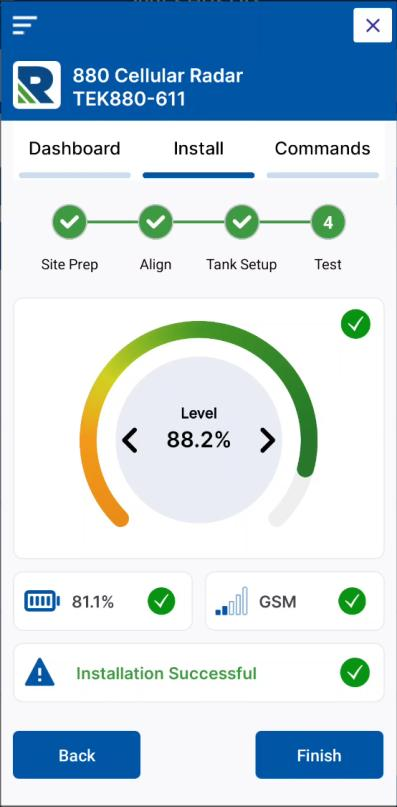
No drilling on plastic tanks. Stick it on top of a plastic tank and it reads the level through the wall; on a steel tank it fits a 2-inch opening. Installed from a phone. The Rochester installer app connects over Bluetooth, shows the live reading and confirms the sensor is on the network before you leave. Ten years and more on one battery, with the reporting schedule set to suit the tank.
Supplied with a TITAN IoT SIM where needed, reporting to the TLM platform, IoT Factory or your own server. Configured and supported from Galway by TITAN IoT. Intrinsically safe, ATEX certified by the manufacturer.
Ask About the TEK880 All Tank Level Sensors
Where the TEK880 Fits
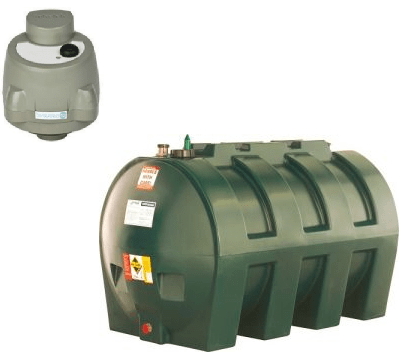
One sensor for most liquid tanks. The pairing below is what we ship most, from a single tank to a supplier’s whole customer base.
For a supplier monitoring customer tanks, see remote tank monitoring. For open water, see river and flood level monitoring.
Installed From a Phone
Specifications
From the Rochester Sensors datasheet. Range and accuracy depend on the liquid and the mounting; ask us about anything not listed.
| Measurement | Non-contact radar; resolution up to 2 mm |
|---|---|
| Range, through the tank opening | 10 cm to 6.75 m for water and AdBlue; up to about 4 m for diesel and kerosene |
| Range, through a plastic wall | Validated by Rochester to 2 m for water and AdBlue, and 3 m for diesel and kerosene; ask us about taller tanks |
| Accuracy, through the tank opening | ±4 mm up to 2 m; ±0.75% of full scale from 2 to 4 m; ±2% above 4 m |
| Accuracy, through a plastic wall | ±2% of full scale; plastic type, thickness and condensation affect the reading |
| Mounting | 2-inch adapter into the tank, or adhesive non-invasive adapter on a plastic tank; Viton gasket included |
| Battery | Replaceable lithium (LiSOCl2); 10+ years depending on reporting schedule |
| Reporting | Every hour to once a week, configurable; 28-slot data logger |
| Alarms | High level, low level, rate of change (fill or drain) |
| Connectivity | LTE Cat-M1 and NB-IoT (bands 1, 2, 3, 4, 5, 8, 12, 13, 18, 19, 20, 26, 28; band 39 TDD on Cat-M1); 2G fallback |
| Installation | Bluetooth Low Energy 5.2 with the Rochester installer app; GPS/GLONASS position |
| Housing | UV-stabilised PP, with PVDF (Kynar) as an option; 115 mm diameter, 49 mm high excluding the horn; 280 g |
| Protection | IP68, outdoor rated |
| Operating temperature | −25 to +50 °C |
| Hazardous areas | ATEX / IECEx II (1)G Ex ia IIB T4; UL913 Class 1 Division 1 |
| Conformity | CE (RED, EMC, LVD, RoHS), FCC |
| Liquids | Water, diesel, kerosene and gas oil (BS 2869 A2, C1, C2, D) per the datasheet, which also gives ranges for AdBlue (DEF) and petrol; AdBlue, chemicals and other liquids checked before we quote |
Documentation
Installation videos and integration notes for your platform: ask us. Full Rochester range: Rochester Sensors at TITAN.
TEK880 Questions, Answered
What is the Rochester TEK880?
The TEK880 is a battery-powered radar level sensor with a built-in cellular modem. It sits on top of a tank, measures the distance to the liquid with radar, and sends the level over the Cat-M1 or NB-IoT mobile network to a monitoring platform. It is ATEX certified for fuel and chemical tanks and runs for ten years or more on its battery.
Does it work on a plastic tank without drilling a hole?
Yes. The TEK880 sticks to the top of a plastic tank with the adhesive adapter and reads the level through the wall. No hole, nothing in contact with the liquid. Rochester has validated it through plastic to 2 m for water and 3 m for diesel and kerosene; ask us about taller tanks. Accuracy through plastic is about 2% of full scale and varies with the plastic and condensation; for steel tanks or tighter accuracy use the 2-inch fitting.
How is it installed?
Mount the sensor on the tank, open the Rochester installer app on a phone and connect over Bluetooth. The app shows the live reading, lets you set the tank height and reporting schedule, and confirms the sensor has reached the network before you leave the site. Most installs take minutes, and TITAN can configure the schedule and alarms in Galway before dispatch.
How long does the battery last?
Ten years or more in a typical setup. Battery life depends on how often the sensor reports: reporting once a day lasts longest, while a hourly schedule for a fast-moving tank uses more. The battery is a replaceable lithium cell, so the sensor is not thrown away when it runs down. We agree a reporting schedule per tank type.
Which networks does it use in Ireland?
Cat-M1 and NB-IoT, the low-power mobile networks built for sensors, with 2G fallback. TITAN supplies the sensor with an IoT SIM matched to the site, and can test coverage before a rollout. Where a tank is underground or in a metal enclosure, talk to us before ordering: the sensor has an internal antenna and signal at the tank decides the result.
Is it suitable for fuel tanks and hazardous areas?
Yes. The TEK880 is intrinsically safe, certified ATEX and IECEx II (1)G Ex ia IIB T4 and UL913 Class 1 Division 1 by the manufacturer, so it can be installed on diesel, kerosene, gas oil and petroleum tanks and in zoned areas. For chemicals and other liquids we check compatibility with the housing materials before we quote.
Where does the data go?
Wherever you need it. The sensor reports to the TLM platform or IoT Factory supplied by TITAN, with volumes, alarms and email or SMS alerts, or to your own server using the Rochester binary protocol. Buy the sensors alone and run them on your platform, or take the managed service; the platform is free for the first 3 months on a pilot.
Talk About Your Tanks
Tell us what is in the tank, how many tanks and how fast they empty. We will match the sensor, SIM and platform and set up a pilot.